AI
4 pages
A tiny GPT you can run, the team that will run AI in a large company, where healthcare's AI money goes, and how AI text gets watermarked. The agents have their own series, Harness.
Topic
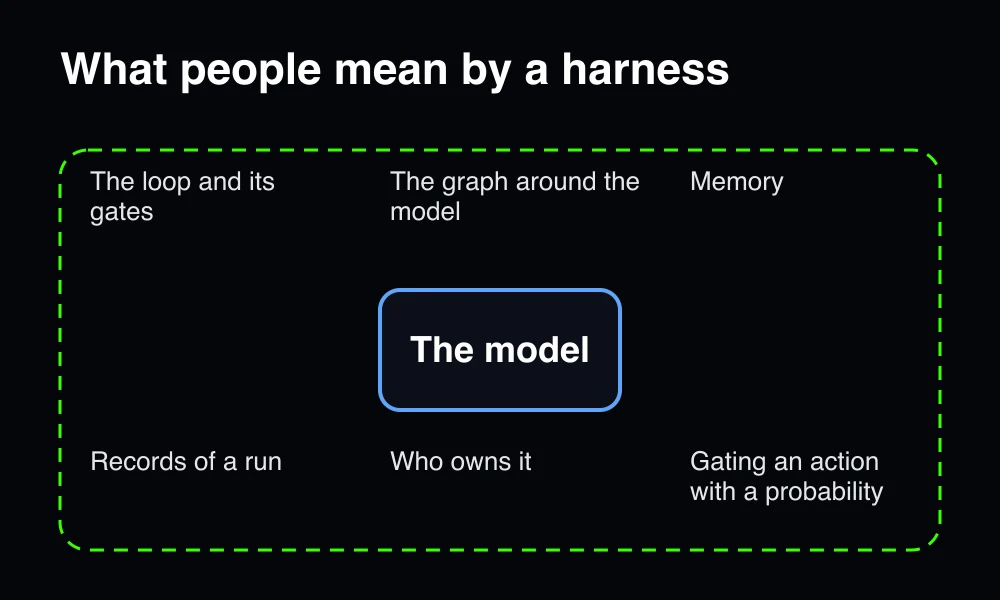
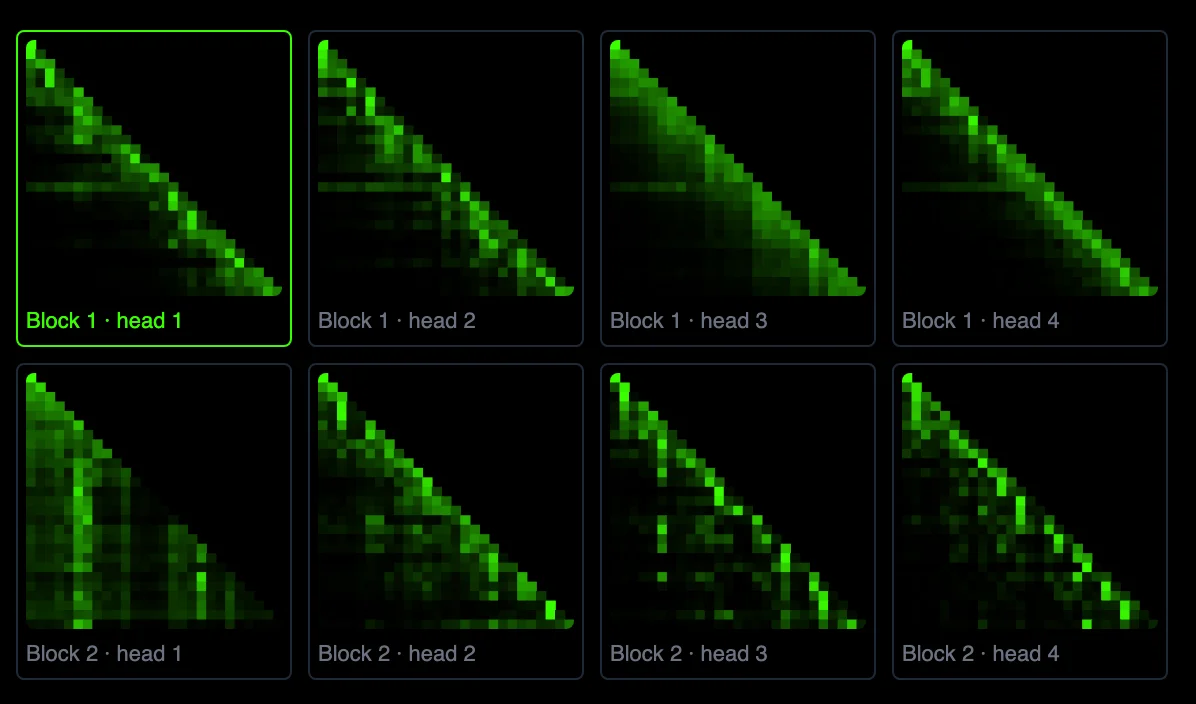
I wanted to see how a language model works, so there is a tiny GPT here that you can run and follow your own text through. Around it is the Harness series: what people mean by the word, Opus, Sonnet and Haiku running the loop that builds this site, the patterns agent graphs are made of, and what a run should leave behind. Then there’s an invented business’s Obsidian vault as an agent’s memory, a model that returns decisions instead of text (and the claims made for it), recordings of small networks of wrapped agents that you scrub through on one clock, and my argument for why every large company will get an AI platform team.
Latest in this topic Boundary layer iterative development: three pillars, in lists · 11 Nov 2026
4 pages
A tiny GPT you can run, the team that will run AI in a large company, where healthcare's AI money goes, and how AI text gets watermarked. The agents have their own series, Harness.
2 pages
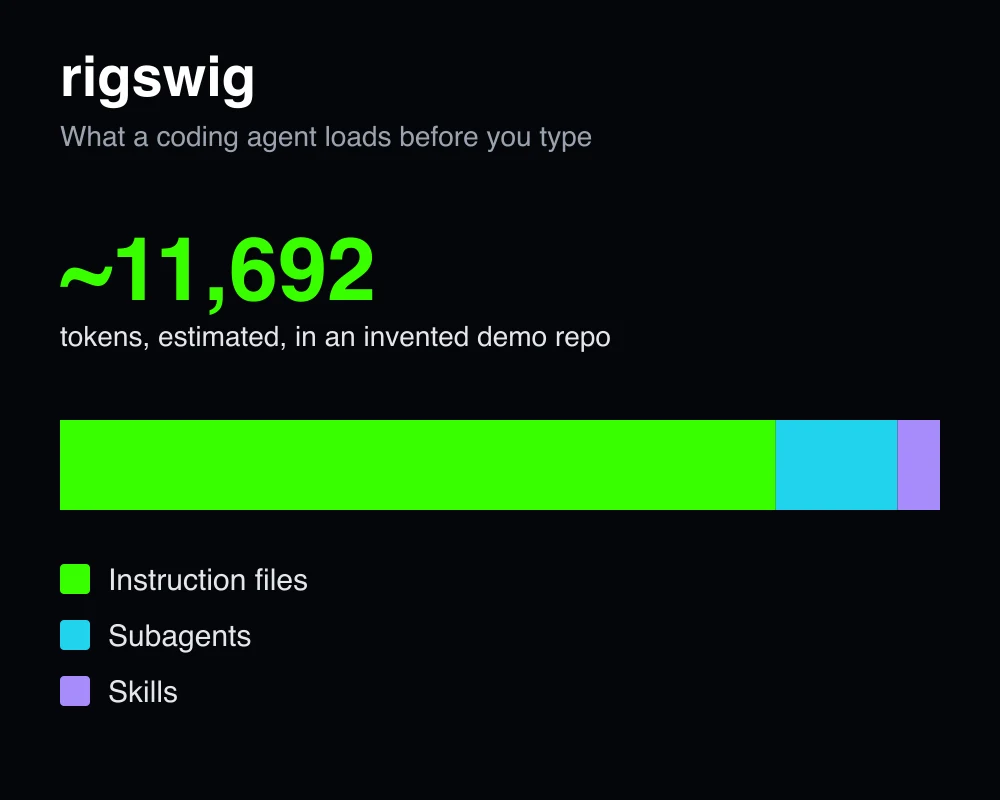
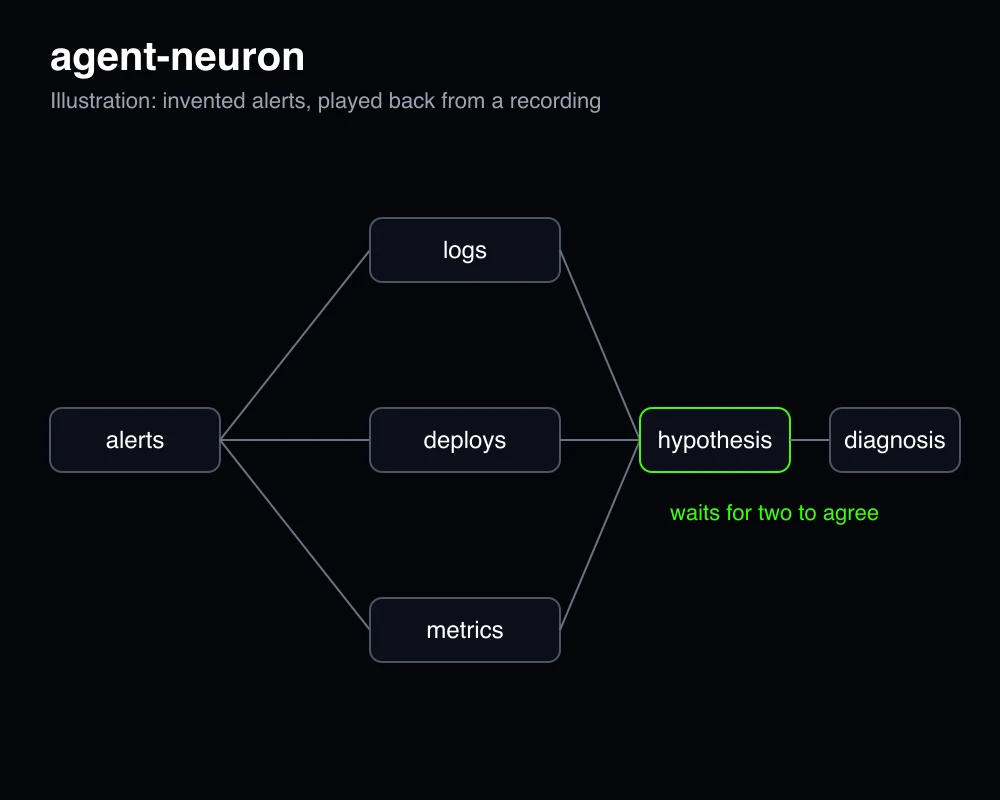
Tools I build and publish: rigswig, which reads what a coding agent loads, and agent-neuron, where wrapped agents agree and decide.
The loop that builds this site, the graph an agent works in, what a run should leave behind, and what people mean by a harness.
4/8 open
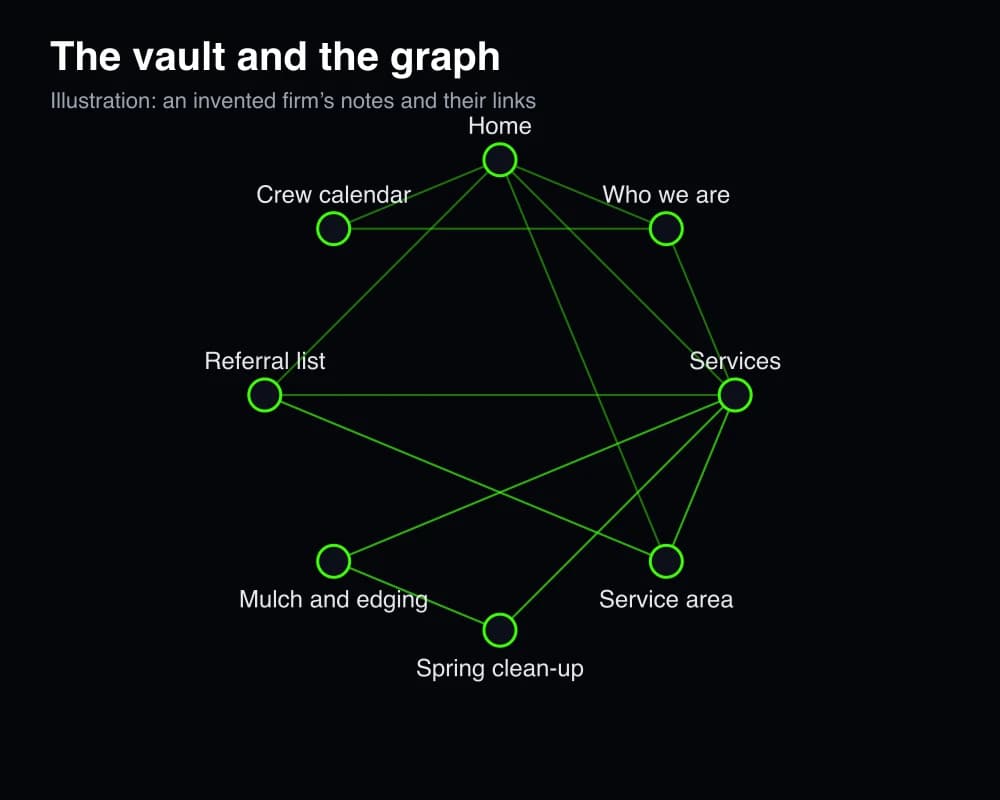
A folder of Markdown notes as the memory of an agent graph: click through an invented firm’s vault, then ask an agent the same question with and without it.
4/8 open
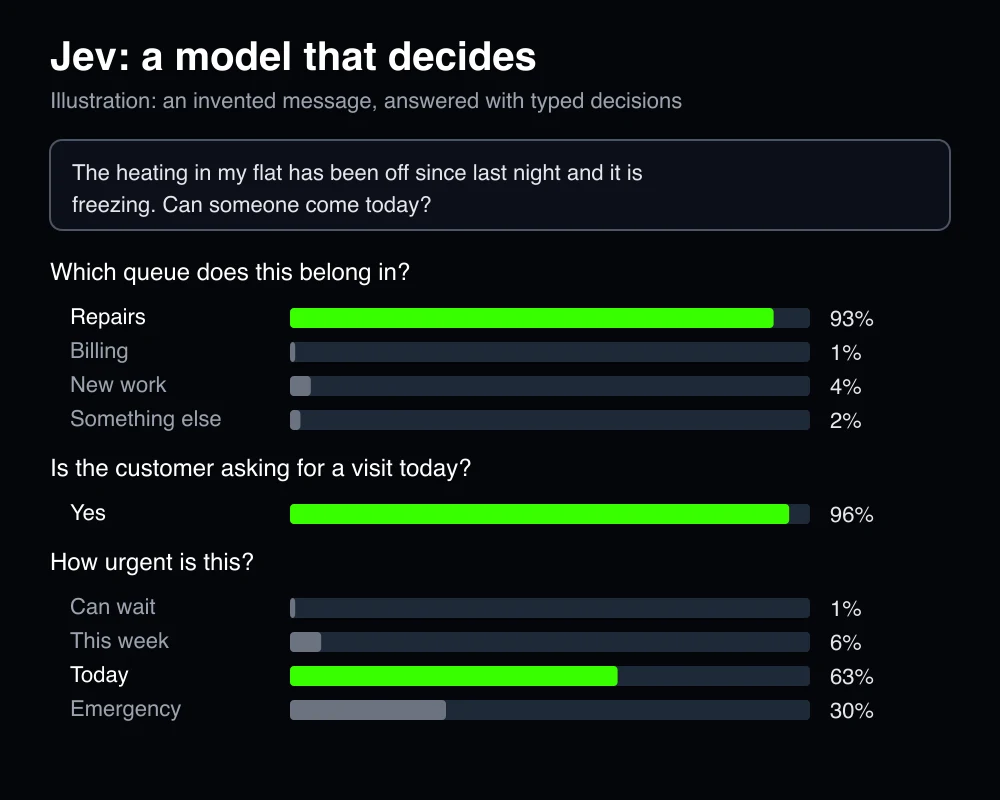
A model that returns typed decisions instead of text: see one request both ways, then move a threshold over scripted decisions and watch what each kind of mistake costs.
22/22 open
An agent-neuron is a wrapper, and whatever goes inside it (a model, a shell script, a small function or a person) gets the same interface, so any neuron can send to any other.